
CNC Marine Parts
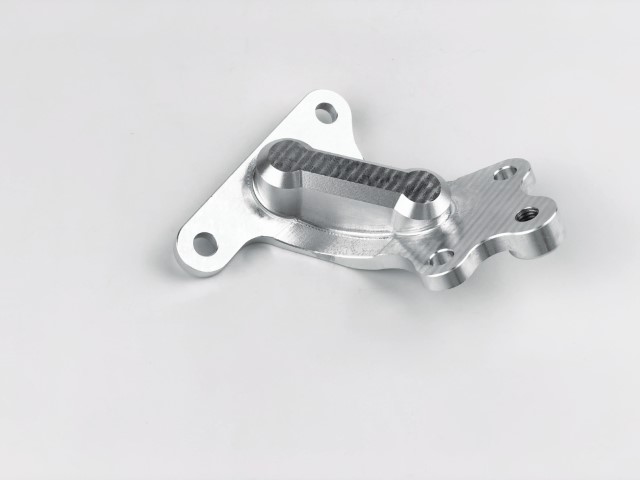
We machine all types of marine parts including Deck hardware CNC machined for sailing boats typically includes winches, cleats, fairleads, blocks and pulleys, clutches and jammers, deck organizers, travellers and tracks, hinges and latches, bollards and chocks, and custom fittings.
CNC Motorcycle Parts
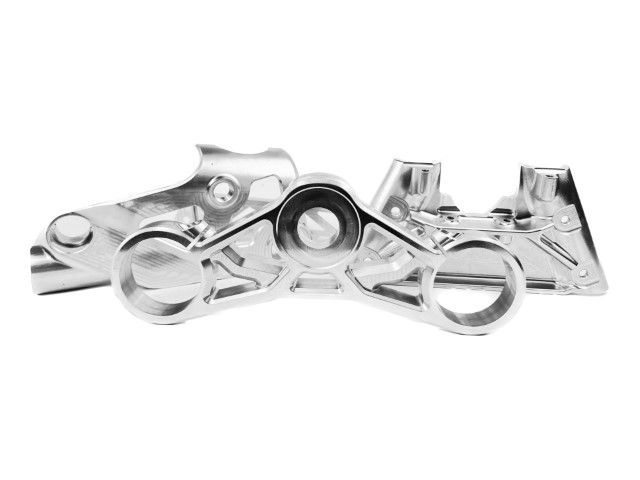
We machine all types of motorcycle parts including, suspension components (such as fork clamps and shock absorber mounts), chassis parts (like frame sliders and swingarm spools), and custom parts (such as foot pegs, levers, and handlebars). These parts are crucial for the safety, and customization of motorcycles.
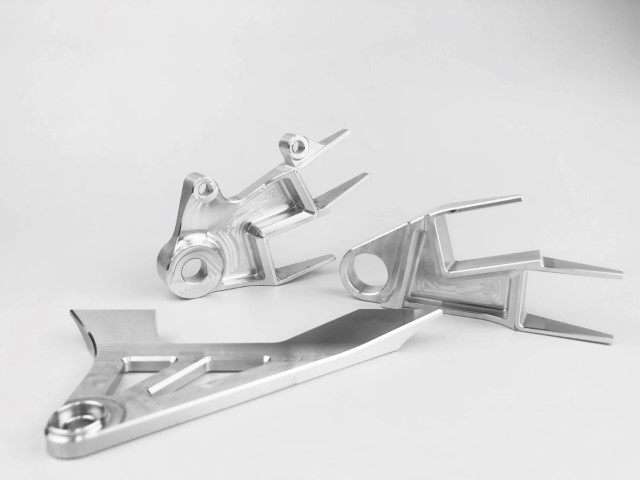
CNC Motor Vehicle Parts
We machine all types of motor vehicle parts including, commonly include engine components, gearbox parts, suspension components (such as control arms and struts), and custom aesthetic elements like grilles or trim. These parts are essential for the vehicle's performance, safety, and efficiency. They may be parts for classic or vintage models.
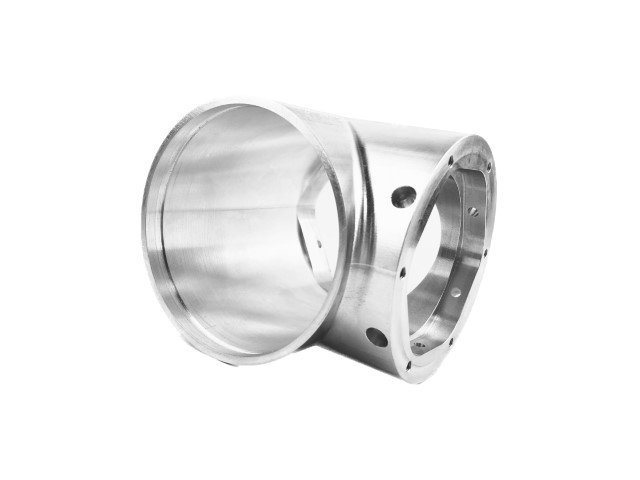
CNC Robotics Parts
We machine all types of Robotics parts including, gears and gear racks, bearing housings, shafts and axles, motor mounts, end effectors (such as grippers and clamps), custom brackets and frames, servo arms and linkages, and heat sinks. These components are integral to the precision, functionality, and structural integrity of robotic systems.
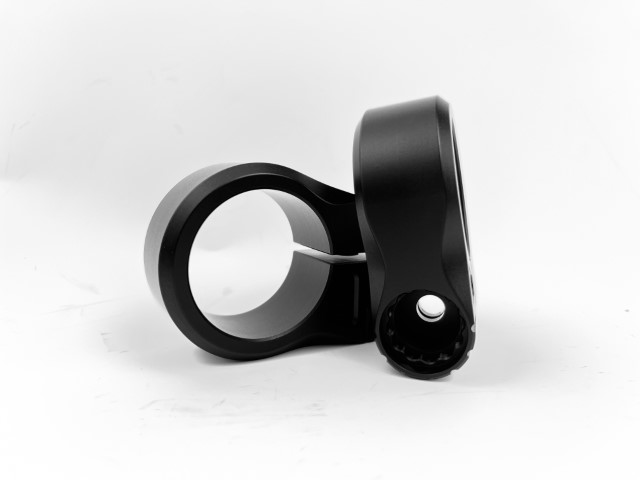
CNC Scooter Parts
We machine all types of Robotics parts including, frame components, motor mounts, battery enclosures, wheel hubs, brake components, steering mechanisms, suspension parts, throttle and brake levers, and kickstands. Additionally, custom decorative elements or structural reinforcements are also commonly produced using CNC machining for enhanced aesthetics and durability.
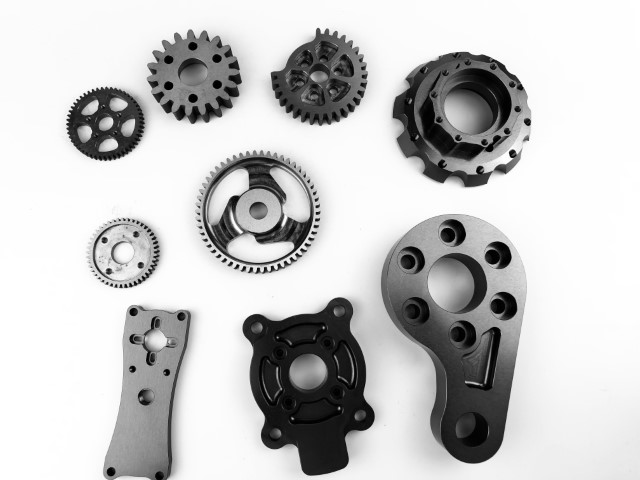
CNC Electric Motor Parts
We machine all types of Robotics parts including, CNC machined parts for electric motors typically include the motor housing, end caps, rotor, stator, shafts, bearing mounts, cooling fins, and brush holders. These components are essential for the motor's structure, efficiency, thermal management, and overall performance.

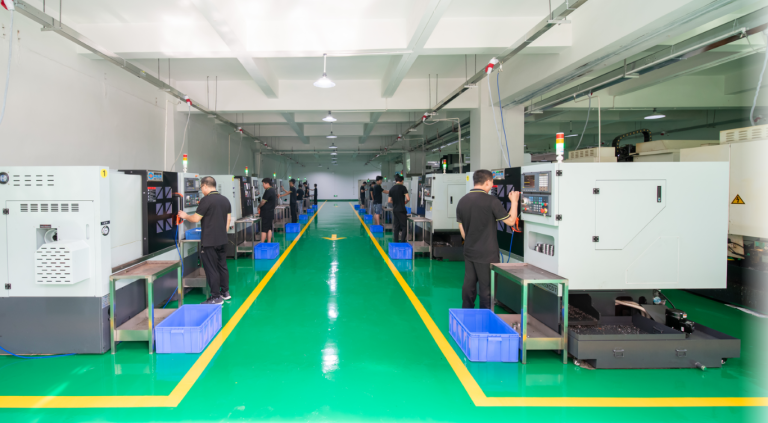
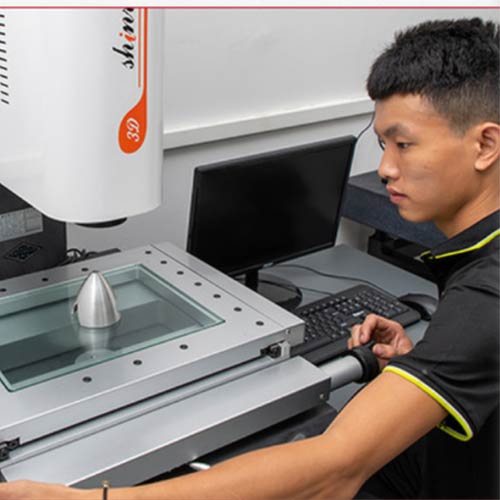

CNC Machining
Precision Machining Pro specializes in the highest experience in precision machining. While numerous CNC machining shops offer a range of CNC machined parts for varying projects, we specialize in CNC precision machining.
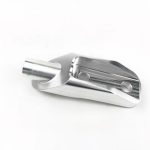
Custom CNC
Custom CNC projects usually need to fit with existing parts, they may require very precise CNC machine programming and accuracy. With a higher level of skill needed by the CNC machine operator to machine the parts.
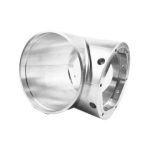
Custom CNC Parts
Ensuring the right fit and esase of use parts from small consumer products to complex robotic parts and equipment, custom-machined components enable products and innovations that shape the modern world.
Custom CNC Services
CNC services, in this section we can give you advice from our expert staff with decades CNC machining experience.
These engineers and sales staff specialize in long term projects or projects above 100 pcs.